
Constellation Guides

Browse quick, beginner-friendly star maps to build confidence before your next night sky session.

See Upcoming Meetups
  • Seasonal Skies

    Learn which constellations are easiest to find in each season.

  • Orion Basics

    Use Orion’s Belt as a starting point for winter sky navigation.

  • Ursa Major Landmarks

    Trace the Big Dipper shape and connect it to nearby stars.

  • Cassiopeia W Path

    Spot Cassiopeia’s W shape to orient yourself on clear nights.

  • Finding Polaris

    Follow pointer stars to locate Polaris and true north quickly.

  • Reading Star Patterns

    Practice linking bright stars into memorable, repeatable patterns.

Observation tips for your next clear night

Start simple, stay patient, and use this short routine to turn sky curiosity into a confident first observing session.
  1. 01

    Check sky conditions

    Review cloud cover, moon phase, and local light pollution before you head out.

  2. 02

    Bring simple essentials

    Pack a red-light torch, warm layer, and binoculars or a small scope if you have one.

  3. 03

    Give eyes time to adjust

    Spend about 15–20 minutes in low light so faint stars and details become easier to see.

  4. 04

    Note what you observe

    Record time, direction, and quick impressions to build your own night-sky journal.

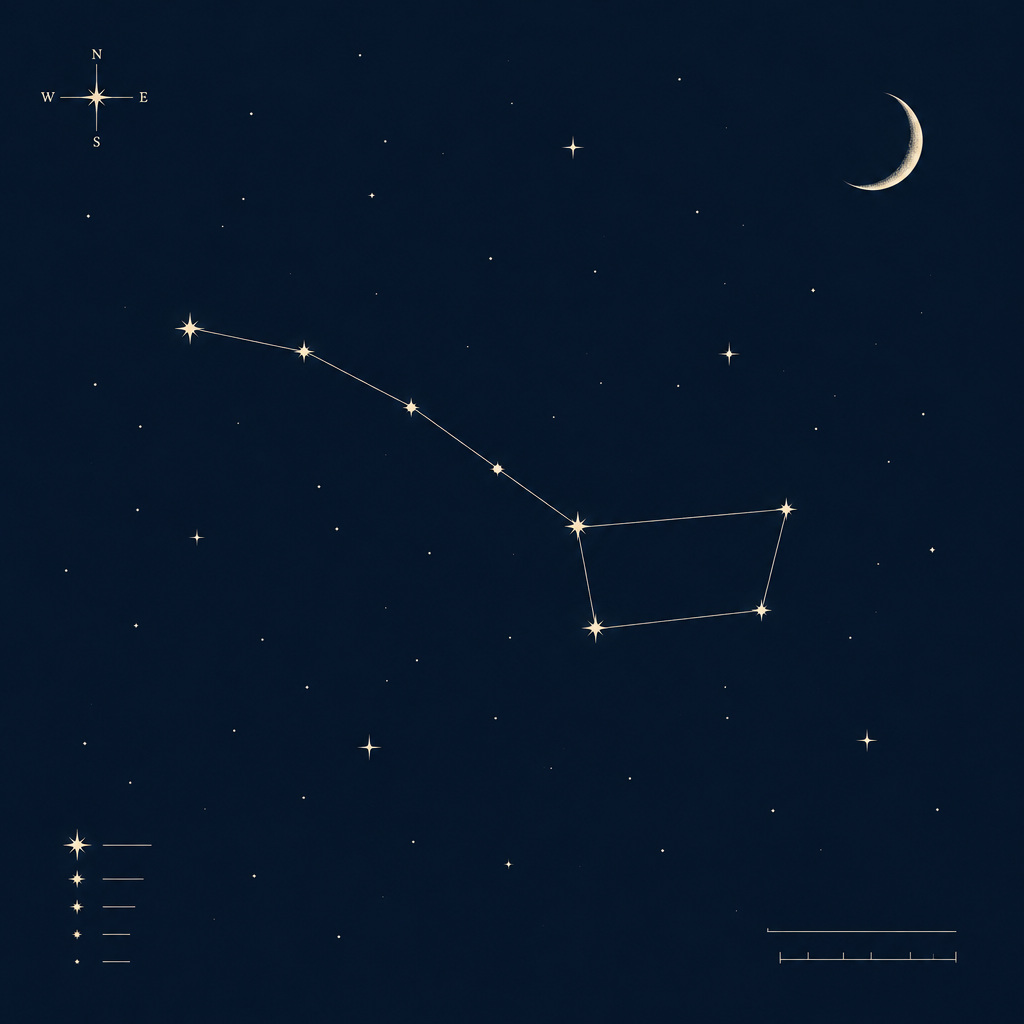
Compact celestial sketch showing a crescent moon, dotted constellation lines, and star markers on a calm night-sky backdrop
A quick visual cue: moon phase + constellation tracing.

Beginner FAQ

Questions before your first skywatch?

You’re not expected to know everything before joining us. These quick answers cover what most first-time visitors ask.

Do I need a telescope to attend a meetup?
Not at all. Many members begin with just their eyes and a simple star map. We usually have shared telescopes on site, and we’re happy to explain what you’re seeing.
What happens if the weather is cloudy?
If skies are not suitable for observing, we shift to a shorter indoor-style session with constellation walkthroughs, planning tips, or recent observation highlights. Updates are posted before start time.
Can complete newcomers join club nights?
Absolutely. New visitors are always welcome. We keep explanations beginner-friendly, and volunteers can help you get oriented with the sky and basic observing terms.
What should I bring to a skywatch evening?
Bring warm layers, comfortable shoes, and a red-light flashlight if you have one. A notebook is useful for quick notes, but optional. We recommend arriving a little early to settle in.
How are observation notes shared after meetups?
We post a concise recap with key targets, sky conditions, and member highlights in our notes section. It’s a helpful way to review what was seen and prepare for the next session.